
More Durable Clothing
Proper garment care ensures that your clothes stand the test of time. The instructions on the care label serve as an excellent starting point for maintaining your garments, but we would also like to offer some additional tips that go beyond the label. Therefore, we have compiled some general advice for caring for your everyday clothing.
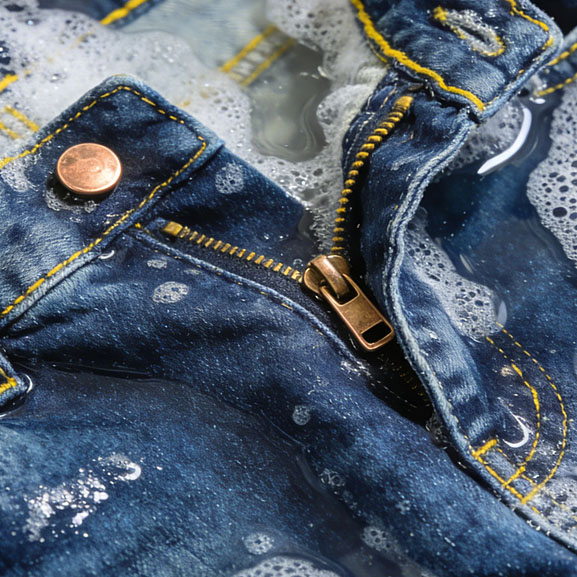
Denim
Denim is a sturdy and durable cotton fabric. Its exceptional strength and durability are attributed to its unique weaving method—known as the twill or diagonal weave—in which the yarns are arranged in a diagonal pattern.
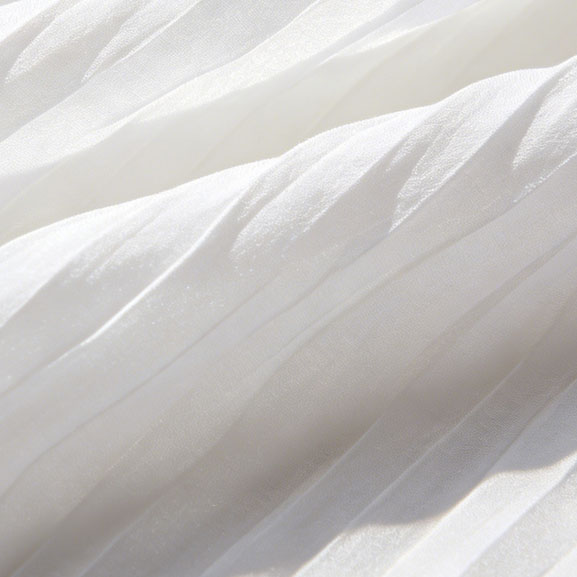
Cotton Fabric
Cotton is a natural fiber derived from the cotton plant. Due to its softness, breathability, and versatility, cotton is one of the most widely used textile fibers in the world. Cotton is hypoallergenic, making it suitable for people with sensitive skin.
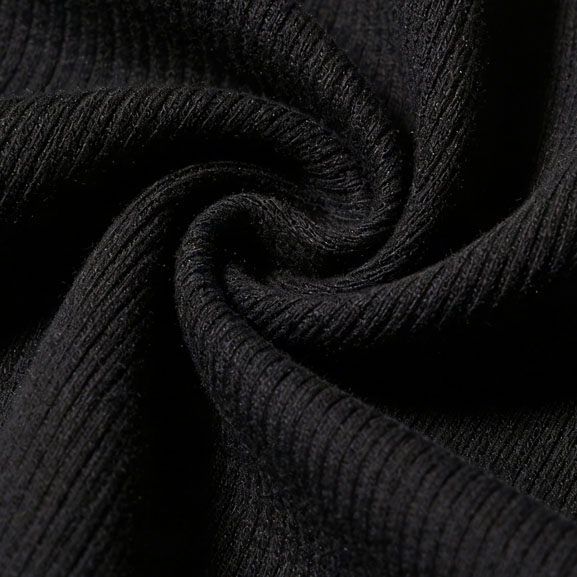
Polyester Fiber
Polyester fiber is a synthetic textile fiber created through the polymerization of chemical compounds known as polymers. Renowned for its durability, wrinkle resistance, and colorfastness, this material enjoys widespread use within the apparel industry.
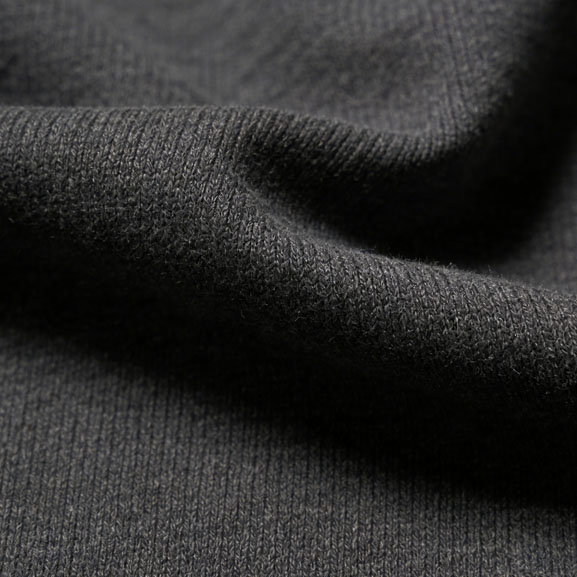
Viscose Fiber
Viscose fiber—also known as rayon—is a textile fiber derived from natural cellulose sources, such as wood pulp or cotton fibers. It undergoes chemical processing to produce fine, elongated strands, which are then spun into yarn for weaving a wide variety of fabrics. Viscose fiber possesses a silky luster and offers a comfortable feel, thanks to its breathability and moisture-absorbing properties. It also takes dye easily. However, viscose fiber is prone to shrinkage after washing and wrinkles easily; therefore, strictly adhering to washing instructions is crucial for extending the lifespan of garments made from this material.
General Washing Tips
• Sorting: Sort garments by color, fabric type, and soil level to prevent fading and damage.
• Temperature: Use the appropriate water temperature based on the fabric type and the instructions on the care label (e.g., cold water for delicate fabrics; warm water for whites and heavily soiled items).
• Detergent: Use a mild detergent suitable for the fabric type to avoid damaging fibers and minimize fading.
• Gentle Cycle: Select the “Gentle” cycle on your washing machine for delicate garments and fabrics.
• Turn Inside Out: Turn garments inside out before washing to preserve colors and reduce wear on the outer surface.
• Hand Washing: Hand washing is recommended for delicate items—such as lingerie, silk, and wool—to prevent damage.
Washing and Drying Tips
• Low-Heat Drying: Use a tumble dryer on a low-heat setting to prevent shrinkage and fiber damage.
• Lay Flat to Dry: Lay delicate garments flat to dry, especially items that are prone to losing their shape.
• Remove Immediately: Remove garments from the dryer immediately after the cycle ends to prevent wrinkling and protect the fabric.
• Lay Flat or Hang: Laying garments flat or hanging them to dry helps maintain their shape, particularly for heavy or damp items.
• Storage: Store garments in a cool, dry, and well-ventilated area to prevent mold growth and odors.
• Ironing: Iron garments using the correct temperature setting for the specific fabric type; use a pressing cloth when necessary to prevent scorching or damage.
• Stain Removal: Treat stains immediately using a stain remover or method appropriate for the specific fabric type.
• Professional Cleaning: For delicate fabrics and items labeled “dry clean only,” consider professional dry cleaning services.
Washing Tips:
• Temperature: Wash denim in cold water using a gentle cycle—ideally at 30°C—to protect the fabric and preserve its color.
• Turn Inside Out: Turn denim garments inside out before washing. This helps protect the color and minimizes wear on the outer surface.
• Washing Frequency: Minimize how often you wash your jeans. Frequent washing weakens the fabric’s durability and leads to fading. Between washes, air out your jeans to reduce odors.
Drying Tips:
• Air Dry: Always air dry denim garments. Using a tumble dryer can cause the fabric to shrink and weaken the fibers.
• Avoid Direct Sunlight: Hang denim garments in a shaded area to prevent fading caused by direct exposure to sunlight.
Washing Tips:
• Temperature: Wash cotton garments in medium-temperature water, typically between 30°C and 40°C. For white cotton garments, higher temperatures can be used to remove stains.
• Color Sorting: Cotton garments should be sorted by color to prevent color bleeding. Wash white and light-colored items separately from dark-colored items.
• Mild Detergent: Using a mild detergent helps protect the fibers and preserve the colors.
• Turn Inside Out: Turn cotton garments inside out to minimize wear and tear on the outer surface.
Drying Tips:
• Air Drying: Hang cotton garments to air dry. This helps prevent shrinkage.
• Avoid Excessive Heat: Tumble dry on a low heat setting to prevent shrinkage and fiber damage.
• Ironing: Cotton garments can be ironed to remove wrinkles. When ironing, turn the garment inside out to avoid creating shiny spots.
Washing Tips:
• Temperature: To maintain the shape and color of polyester fabrics, it is best to wash them at a medium temperature (e.g., 30–40°C).
• Mild Detergent: Use a mild detergent to avoid damaging the fibers and to prevent color fading.
• Separate Washing: Wash polyester garments separately or with items of similar colors to prevent color bleeding.
• Do Not Overload: Avoid overloading the washing machine to minimize wear and tear.
Drying Tips:
• Low Heat Drying: Tumble dry polyester fabrics on a low heat setting to prevent shrinkage and fiber damage.
• Remove Immediately: Remove polyester garments from the dryer immediately after drying to prevent wrinkling.
• Quick Drying: Hang polyester garments to dry immediately after washing; they dry quickly and are less prone to wrinkling.
• Ironing Precautions: If ironing is necessary, use a low-temperature setting and iron the garment inside out to avoid creating shiny spots.
Washing Tips:
• Hand Washing: It is best to hand wash viscose garments, or use the delicate cycle on your washing machine. • Mild Detergent: Use a mild detergent to avoid damaging the fabric.
• Wash Inside Out: Turn viscose garments inside out before washing to protect the fibers and preserve the color.
• Do Not Wring: Do not wring out viscose; instead, gently squeeze out excess water.
Drying Tips:
• Lay Flat to Dry: Lay viscose garments flat to dry to prevent deformation.
• Avoid Direct Sunlight: Avoid exposing viscose to direct sunlight while drying to prevent fading.
• Steam Ironing: For delicate viscose garments, steam ironing is an excellent method for removing wrinkles without damaging the fabric.